


Running is one of the simplest forms of exercise—and one of the most demanding on the body. Every stride places force through the feet, knees, hips, and spine. While it may seem repetitive, running is a highly dynamic movement that requires strength, coordination, and efficient biomechanics. That’s why physical therapy designed specifically for runners is so critical.
General rehab programs may address pain, but running physical therapy goes deeper. It focuses on identifying movement inefficiencies, muscle imbalances, and technique issues that often lead to recurring injuries.
For runners in Murfreesboro, working with a clinic like Proactive Kinetics means getting a personalized, performance-focused approach to care. Whether you're training for a marathon or just looking to run pain-free, specialized PT helps keep your body moving well—without compromising your goals.
READ: 030 | Strength Training for Injury Prevention: A Physical Therapist’s Take
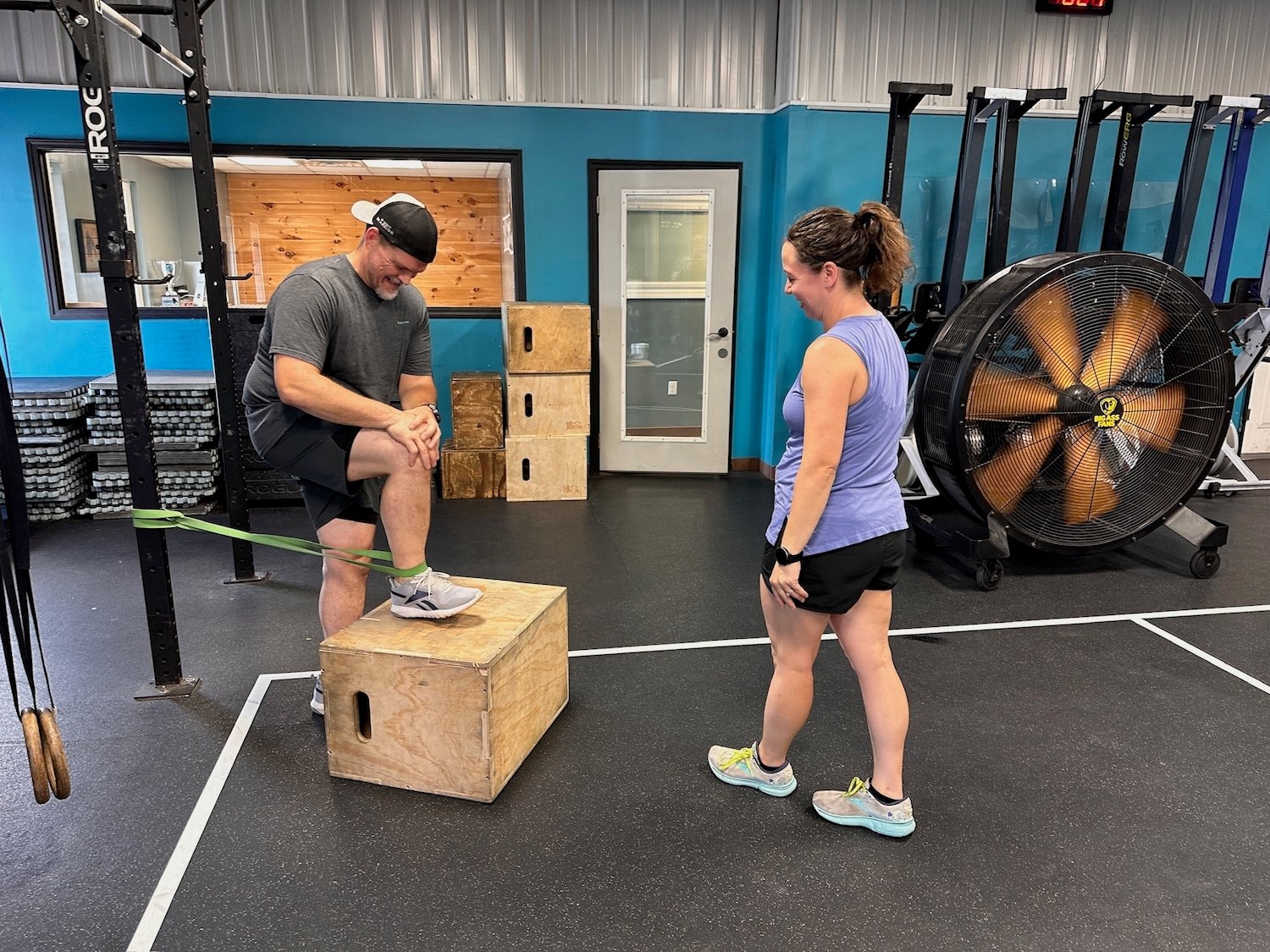 Common Injuries That Bring Runners to Physical Therapy
Runners often deal with a familiar list of overuse injuries—but the causes behind them can vary widely.
Plantar fasciitis, a sharp pain under the foot, is frequently tied to limited ankle mobility or poor glute control. Iliotibial (IT) band syndrome, which causes pain on the outside of the knee, is often the result of hip weakness and stride inefficiency. Shin splints can stem from rapid mileage increases, while patellofemoral pain (runner’s knee) may result from poor tracking and quad dominance.
Achilles tendinopathy and hamstring strains are also common, especially in runners who lack strength or flexibility in the posterior chain. Running physical therapy doesn't just treat the site of pain—it looks at how your body is moving as a whole. That’s why a thorough evaluation and individualized treatment plan are key to breaking the injury cycle.
What to Expect During a Running Physical Therapy Session
A running-focused PT session at Proactive Kinetics is far from a generic appointment. It begins with a detailed history of your training habits, previous injuries, and current symptoms. From there, your therapist will assess joint mobility, muscular control, and strength in key areas like the hips, core, and lower limbs. One of the most important components is gait analysis.
By observing your running stride in real time—often on a treadmill or using video analysis—your therapist can pinpoint movement patterns that contribute to pain or inefficiency. The treatment plan may include hands-on techniques to improve mobility, exercises to address strength deficits, and drills to reinforce better mechanics.
Most importantly, everything is tailored to your specific goals, whether that's returning from an injury or shaving time off your next race.
The Role of Gait Analysis in Long-Term Performance
Gait analysis is more than just watching you run—it's a systematic evaluation of how your body transfers force, absorbs impact, and maintains rhythm over time. Subtle issues like overstriding, excessive pronation, or poor hip extension can lead to repetitive strain, even if they don’t cause pain right away.
Gait analysis helps uncover the “why” behind recurring issues, giving your therapist the insight needed to develop targeted interventions. At Proactive Kinetics, gait analysis is a cornerstone of the RunLab experience. By combining video technology with biomechanical expertise, the team can identify small changes that produce big results—whether that's reducing injury risk or making your stride more efficient for performance gains.
When used proactively, gait analysis is a powerful tool for every runner, from weekend joggers to competitive athletes.
Strength and Mobility Work for Runners
Running may feel like a cardio workout, but the strength behind each step matters just as much. Weak glutes, underactive core muscles, and limited ankle range can all affect your form and endurance.
That’s why strength and mobility work are foundational to running physical therapy. Targeted exercises help build the resilience needed to withstand repetitive stress, while mobility drills keep joints moving freely.
At Proactive Kinetics, this work is individualized—not cookie-cutter. Your therapist will focus on the muscle groups and movement patterns that matter most for your body and your goals. Whether you’re working on single-leg stability, dynamic core control, or hip mobility, the aim is to create a body that can run longer, stronger, and without pain. Many runners are surprised by how much performance improves when strength and mobility are finally aligned.
Transitioning from Rehab to Performance
In many clinics, physical therapy ends when the pain stops—but that’s not how long-term progress works. The real value of running PT comes from bridging the gap between recovery and peak performance.
Once symptoms are under control, your therapist at Proactive Kinetics will shift the focus toward building a stronger, more efficient runner. That includes refining mechanics, advancing strength programming, and helping you gradually return to your full training volume. This transition phase is critical for preventing future setbacks. You’re not just getting back to where you were—you’re leveling up.
For athletes who’ve dealt with chronic injuries or repeated relapses, this performance-oriented model is often the missing piece. It turns rehab into a launchpad for better results, both on the road and in the gym.
How Proactive Kinetics Supports Runners in Murfreesboro
At Proactive Kinetics, running isn’t treated as a hobby—it’s treated as a sport. The RunLab is specifically designed to help runners move better, train smarter, and avoid the injuries that so often derail progress. Every plan starts with a detailed evaluation, including gait analysis and a full-body movement assessment.
READ: 029 | When Should an Athlete See a Physical Therapist?
From there, the team develops a plan that addresses your specific needs—whether that’s recovering from an injury or optimizing your stride mechanics for an upcoming race. As a cash-based clinic,
Proactive Kinetics is free from insurance limitations. That means longer sessions, more individualized care, and the freedom to focus on your goals—not billing codes. Whether you’re new to running or chasing a PR, you’ll find a supportive, expert-driven approach that keeps your progress front and center.
When to See a Physical Therapist (Even if You're Not Injured)
One of the biggest misconceptions about physical therapy is that it’s only for when you’re hurt. In reality, some of the best outcomes come from early intervention—or even prevention. If you’re noticing subtle changes in your stride, feeling tight after runs, or experiencing minor discomfort that comes and goes, it’s worth getting evaluated.
These early signs often indicate movement inefficiencies that, if left unaddressed, can lead to injury later on. Even if you're not dealing with pain, physical therapy can improve performance, refine your technique, and help you train with greater confidence.
At Proactive Kinetics, the goal is to support runners throughout every phase of their journey—not just when something goes wrong.
Take the Next Step Toward Injury-Free Running
Running should feel strong, sustainable, and free of fear. If pain, plateaus, or poor mechanics are holding you back, running physical therapy might be the solution you need
At Proactive Kinetics in Murfreesboro, the team understands what runners need—because they specialize in it. Whether you’re coming off an injury or looking to prevent the next one, their individualized, movement-based care can help you take the next step
Explore the RunLab, connect with the Everyday Athlete programs, or book your evaluation today. The miles ahead don’t have to hurt—get the support you need to run better, longer, and stronger.
